


Theme Park Fandom & Spatial Transmedia
“spatial transmedia’ accounts for these moments of narrative extension and world-building that take place within specified rooted locations. Whilst fans who do not visit these places may learn about them via publicity, reviews or the accounts of other fans, it is only by physically being there that one can experience the extended narrative or world” (Theme Park Fandom 2020:12)
This strand of my research focuses on the connections between media, space and place and I have worked on funded research projects examining audience responses to on-screen representation of local places, and the lived and embodied experiences of media and screen tourists when they visit important sites. My work also focuses on the use of physical objects at sites of significance and how this allows fan and media tourists to negotiate the boundaries between place, object, and the self, as well as expanding our understandings of what audiences do with transmedia texts.
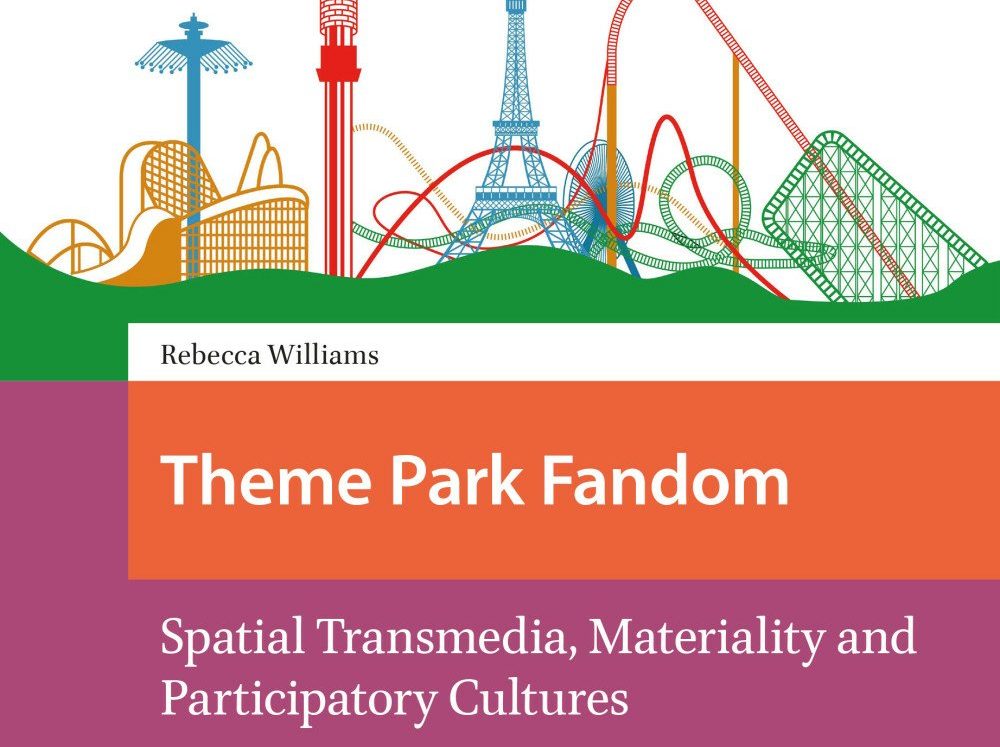
In particular, my monograph Theme Park Fandom highlights the links between transmedia, participatory cultures and media tourism, focusing on the intersections between fan tourism, material cultures, and mediated place. My ongoing research into themed spaces and modes of spatial transmedia seek to challenge established binary oppositions between commercial and non-commercial media tourist sites, audiences and producers, and textual and spatial readings. Much of this research focuses on themed spaces, primarily through the concept of ‘spatial transmedia’ and seeks to challenge established binary oppositions between commercial and non-commercial media tourist sites, audiences and producers, and textual and spatial readings. My current work in this area includes developing a book proposal for a monograph, provisionally titled Spatial Transmedia, Branded Iconography, and Play: Experiencing Universal Studios’ Global Theme Parks.
Pikachu’s Transmedia Adventures: The Continuing Adaptability of the Pokémon Franchise
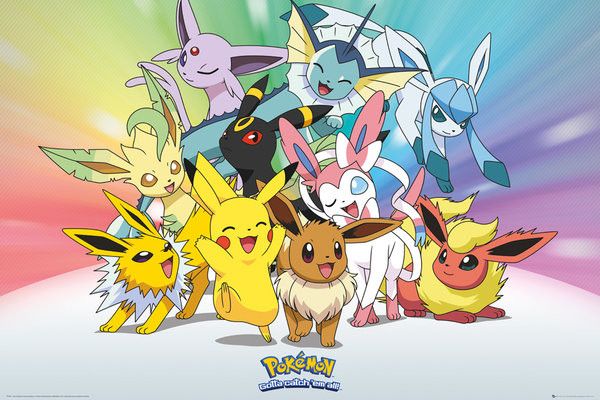
This book offers the first English language edited collection on the broader Pokémon franchise since Pikachu′s Global Adventure: The Rise and Fall of Pokémon (Tobin 2004). It offers a range of chapters which provide new perspectives on the Pokémon phenomenon, a contribution which is especially timely since the franchise celebrated the 30th anniversary of its debut in Japan in 2025 and will coincide with the tenth anniversary of its popular worldwide augmented reality (AR) cell phone game Pokémon GO in 2026. This book takes seriously the cultural importance and resonance of Pokémon across a range of texts, formats, industrial sites, and reception contexts, considering it as a transmedia and transcultural phenomenon.
The collection therefore asks: how can we understand the contemporary Pokémon franchise as a transmedia phenomenon? How does this relate to approaches from other national contexts such as the Japanese concept of the media mix? What can Pokémon tell us about the media industries and the development, and use, of new media formats and platforms? How is a global media franchise understood within different national and cultural contexts, and how might this map onto different discourses surrounding identity or political and social ideologies? How does Pokémon operate outside of the officially created games and texts, and how has it been leveraged in terms of nation branding, tourism or embodied experiences? And how has the franchise engendered a range of fan responses and practices, including textual creation, engagement with merchandise, or modes of fan activism?
In response, the collection presents original chapters from a range of disciplinary perspectives and methodological approaches. The chapters, preceded by a general introduction by the editors, are split into four themed sections: Pokémon and the media industries and platforms; transnationality and gaming; experiences, play and place; and fandom and participatory cultures. Offering a range of approaches and perspectives, the book explores the Pokémon franchise as a contemporary media phenomenon that is resolutely transmedial, experiential, and global in nature.

